Small Space, Big Impact: 5 Space-Saving Ideas for Compact Living and Dining Areas

In most homes, the living and dining area is where daily life naturally unfolds. It’s where you gather with family, unwind after a long day, host guests, share meals, or simply spend quiet moments at home.
Living in a small space means making the most of every square foot. You want your home to feel open, thoughtfully designed, and comfortable even if the space is limited.
The key is choosing pieces and layouts that work smarter, incorporating multifunctional furniture, efficient storage, and intentional design choices that support both everyday living and visual balance.
In this blog post, we’ll explore five space-saving solutions that help optimize compact living and dining areas without compromising on design, comfort, or functionality.
1. Visually make the room feel larger with use of vertical space
When floor space is limited, utilizing vertical space becomes essential. Floating shelves, wall-mounted storage, and taller cabinetry help free up valuable floor area while drawing the eye upward.
Incorporating low - profile furniture with exposed legs, mirrors, and lighter toned materials can also create a greater sense of openness and help the room feel brighter and less confined.

2. Incorporate multifunctional furniture
In a compact living or dining area, every piece of furniture should serve more than one purpose whenever possible.
Multifunctional pieces like extendable dining tables, storage ottomans, nesting tables, or benches with hidden storage help maximize functionality without overcrowding the room.
Choosing slimmer furniture profiles and pieces with exposed legs can also help maintain a lighter, more open feel throughout the space.
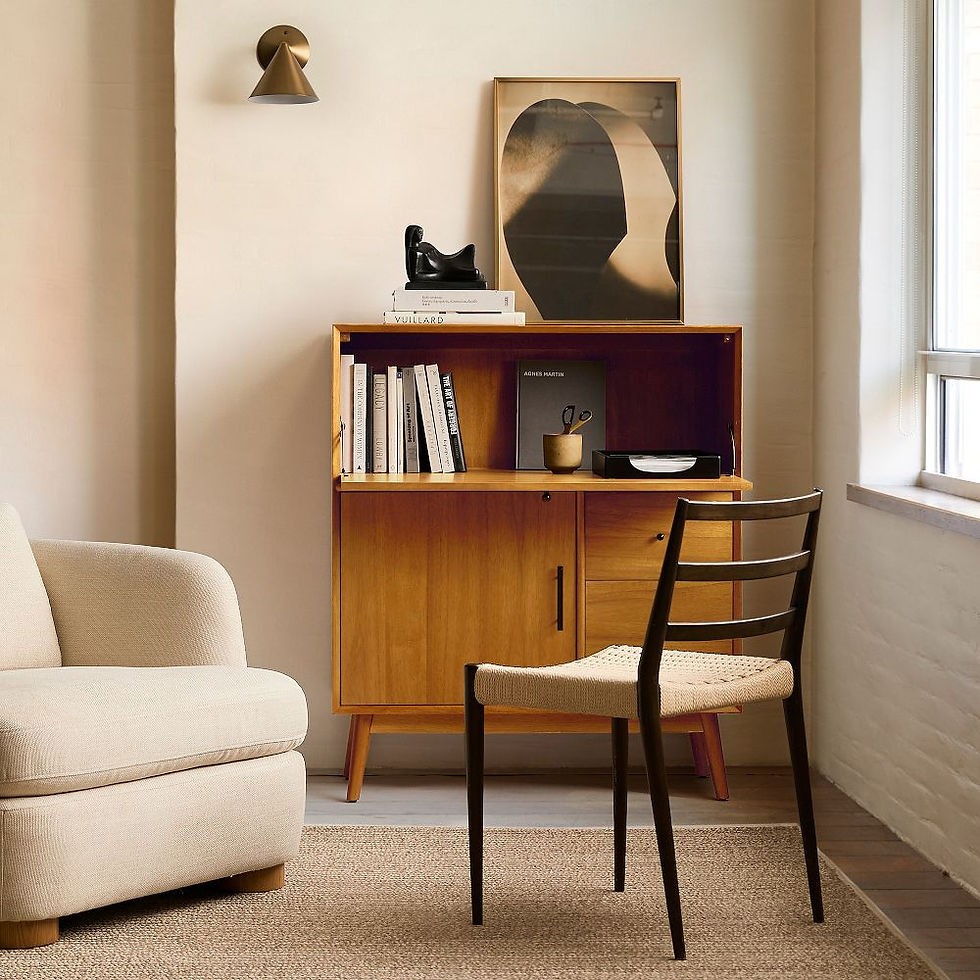
3. Choose the right colors, shapes and layouts to create balance
A well-planned layout can make a small space feel significantly more comfortable to move through. Round dining tables, curved edges, and furniture with slimmer silhouettes help improve circulation and soften tight corners.
Keeping walkways clear, avoiding clutter as well as heavy and bulky oversized furniture allows the room to feel more balanced, functional, and visually open.
Also, incorporating light neutral colors on walls and floors will visually open the space and reflect more light.
4. Define living and dining zones
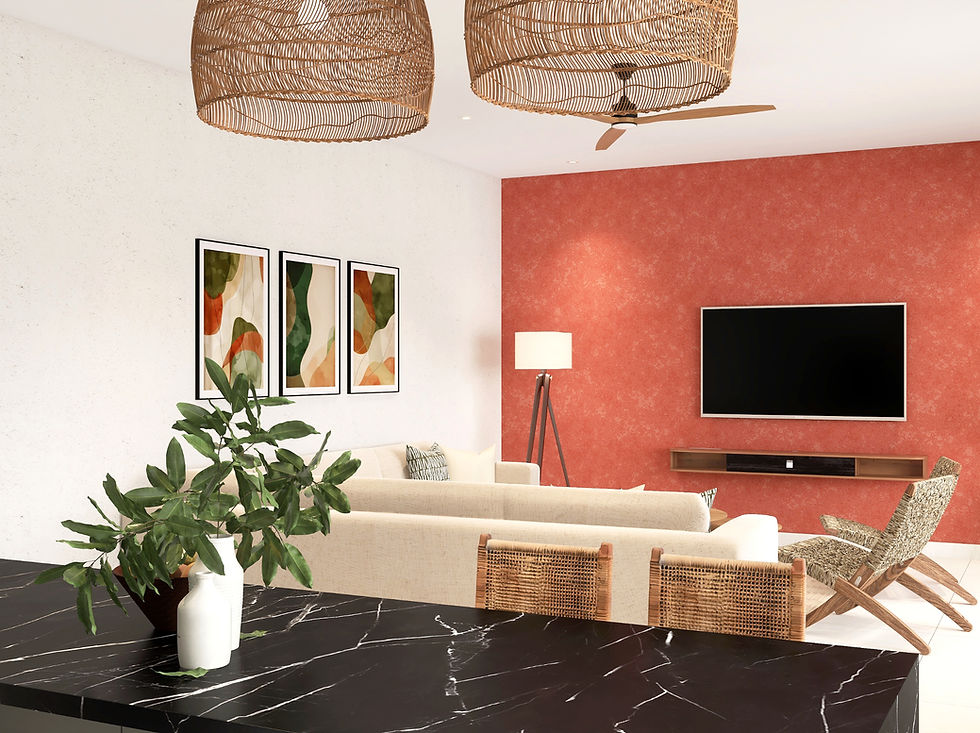
Positioning larger furniture pieces, like the sofa, against the wall helps maximize floor space and improves movement throughout the room. Alternatively, the sofa can also be positioned between the living and dining room area. A rug, pendant light, or standing lamp can help anchor each area without making the space feel closed in.

5. Prioritize intentional styling over filling every corner
Small spaces benefit from thoughtful editing. Rather than filling every corner with furniture or décor, focus on selecting fewer, well-chosen pieces that contribute both function and visual balance. A more intentional approach to styling helps compact spaces feel calmer, more refined, and easier to live in on a daily basis.
Bringing it all together
A compact living and dining area has the potential to feel just as comfortable, functional, and inviting as a larger space when it’s designed with intention. By choosing multifunctional furniture, refining your layout, and making thoughtful use of vertical and visual space, you can create a home that feels open, balanced, and easy to live in.
The goal is not to do more with less, but to make every square foot work in a way that supports both your daily routine and your overall sense of comfort.
If you’re looking to reimagine your living and dining space and create a layout that feels more intentional, functional, and tailored to your lifestyle, feel free to get in touch to explore how we can transform your space into something both practical and beautifully considered.

Comments